


Estimated reading time: 4 minutes
International Nursing Career Pathways at CIT University Cebu
Choosing a nursing school is not just about passing the board exam. Many students now ask if their education will lead to real global opportunities. At CIT University, international nursing career pathways Cebu are being developed to help students move from classroom learning to global healthcare careers.
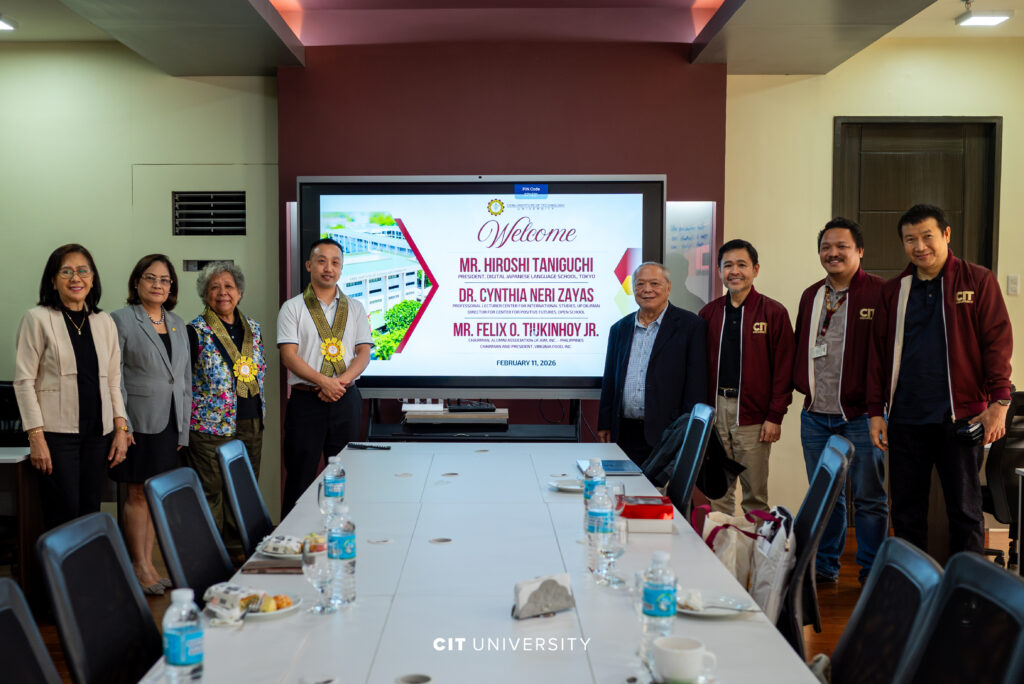
CIT understands this concern. Students want clarity, direction, and long-term growth. For this reason, the university is actively exploring partnerships that connect education to international opportunities.
CIT University as Your Guide to Global Healthcare Careers
CIT University has built a strong reputation for outcomes-driven education. The College of Nursing and Allied Health Sciences focuses on real-world readiness, not just theory.
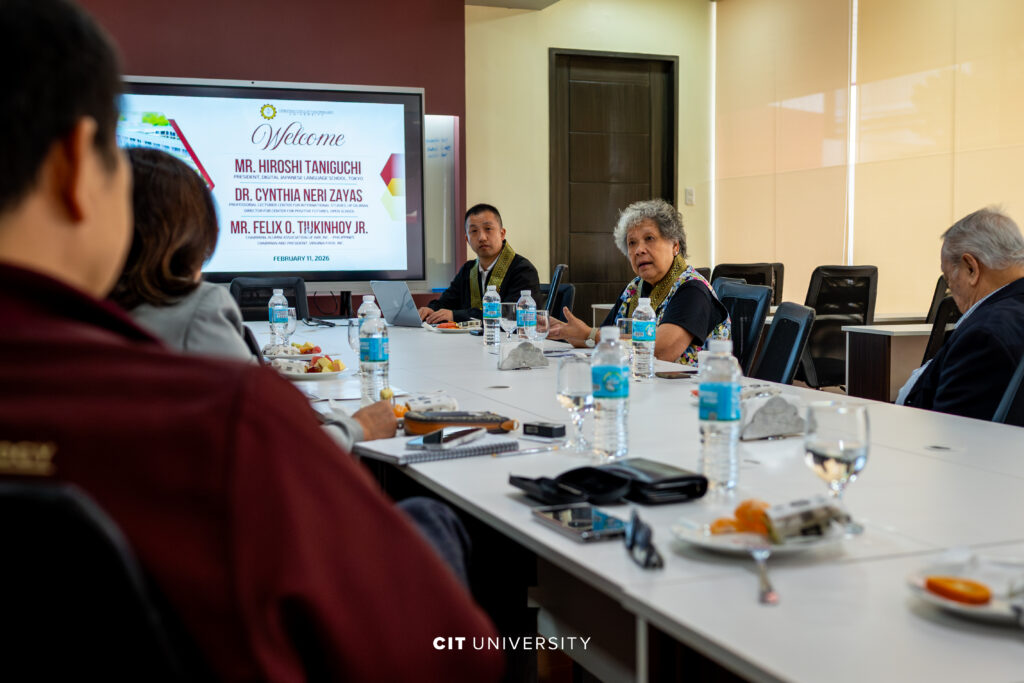
Through ongoing discussions with global partners, CIT is designing structured international nursing career pathways Cebu students can follow. These pathways connect academic preparation, clinical training, as well as international employment opportunities.
As a result, students graduate with direction instead of uncertainty.
For more about CIT University’s programs, visit Cebu Institute of Technology – University.
How International Nursing Career Pathways Cebu Are Built
Healthcare demand continues to rise worldwide. At the same time, countries with aging populations need skilled professionals. In response, CIT University aligns education with global standards.
The university explores collaborations with healthcare institutions and training partners abroad. These partnerships support specialized training, language preparation, certification pathways, and ethical deployment.
This structured system helps students transition smoothly into global roles. Moreover, it reflects global goals promoted by United Nations, particularly in education and healthcare development.
A Strong Foundation in Nursing Education
CIT’s global efforts build on proven results. The university’s nursing program achieved a 100% passing rate for first-time takers for eight consecutive years as of the November 2025 Nurses Licensure Examination. In addition, the College produced five topnotchers during this period.
Overall, these results show a clear pattern. Students are trained to succeed.
At CIT, education goes beyond exams. Students develop clinical competence, ethical practice, as well as adaptability in global settings, because this strong foundation supports every international nursing career pathways Cebu initiative.
Expanding Opportunities for Filipino Healthcare Professionals
Global pathways are not only about working abroad. Instead, they focus on building meaningful and sustainable careers.
CIT promotes opportunities that support fair employment, professional growth, and proper legal protection. In light of this, the efforts align with international standards supported by the World Health Organization.
Therefore, by building ethical partnerships, CIT helps graduates access global opportunities while maintaining professional dignity and value.
Partnerships That Turn Education Into Opportunity
Strong partnerships drive successful global careers. Meanwhile, CIT University connects students with institutions that recognize and value their skills.
These collaborations link education directly to employment pathways. As CIT expands beyond its roots as a leading engineering school in Cebu, it continues to grow its impact in healthcare education.
The direction is clear. The university prepares students for both local service and global leadership through international nursing career pathways Cebu.
Your Path to the International Nursing Career Pathways Cebu Starts Here
You do not have to navigate your future alone. With the right training and support, your path in healthcare becomes clearer and more achievable.
At CIT University, your international nursing pathway is built around your goals, your growth, and your future.
Take the next step. Apply through WITS, visit the campus, or send an inquiry today.