


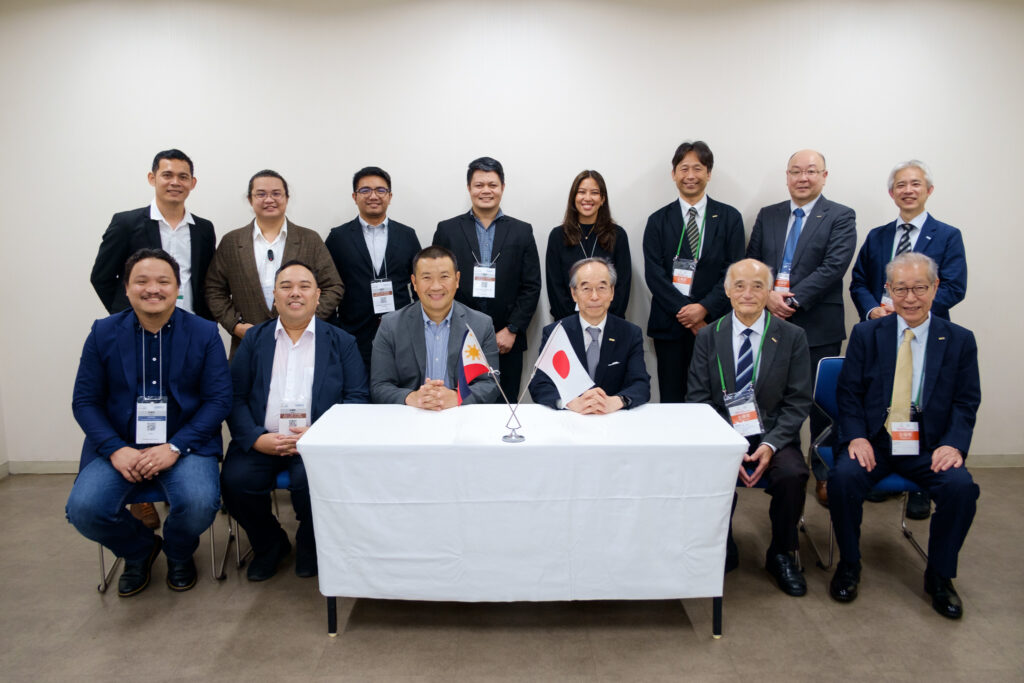
From Tokyo to Hokkaido, a team from CIT University immerses in advanced drone technologies and global standards through the Japan Drone Expo 2025 and certified drone pilot training.
Cebu Institute of Technology – University (CIT-U) has taken another bold leap in its pursuit of global-ready education and innovation. In a strategic move to further integrate drone technology into its academic and research ecosystem, CIT University sent a team of faculty and administrators to Japan to participate in the 10th Japan Drone 2025 Expo / 4th International Advanced Air Mobility EXPO and undergo a rigorous training program with the Japan UAS Industrial Development Association (JUIDA).
Representing CIT University were Engr. Ephrem Joseph Catane of the CIT-U AI FabLab, Engr. Jefrancis Concepcion of the Electronics and Communications Engineering (ECE) Department, Engr. Felrem Lor of the Civil Engineering (CE) Department, Atty. Janzen Sevilla, Director for Finance, and Vice President for Administration Mr. John Gregory Escario, whose combined presence underscored the university’s commitment to hands-on, forward-thinking technology education.
Industry Exposure Meets Global Immersion
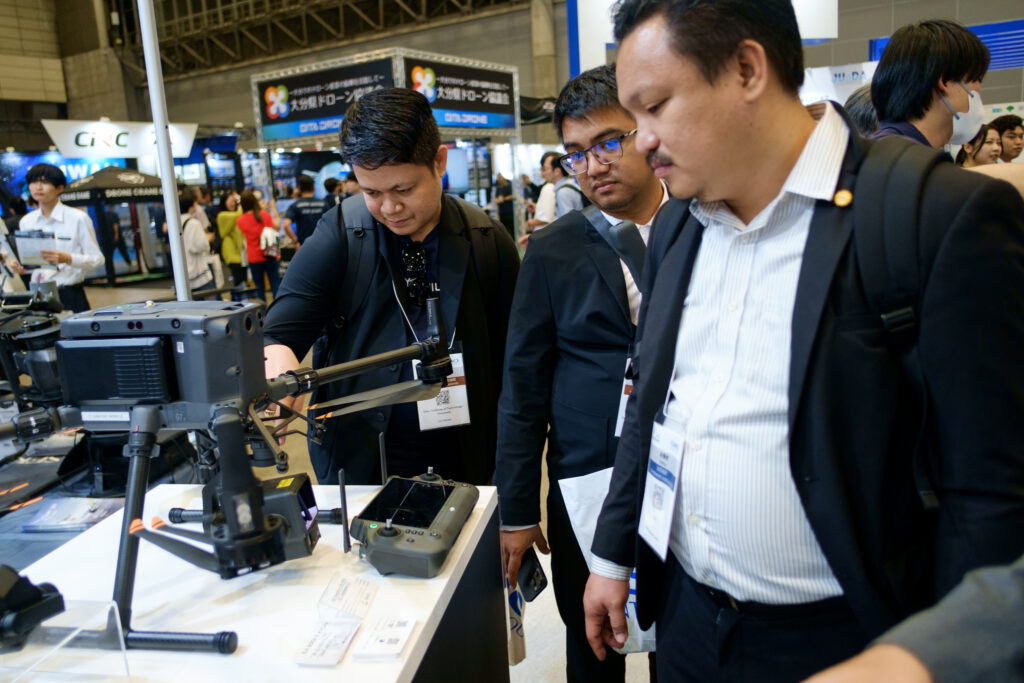
Held in Makuhari, Chiba, the Japan Drone Expo 2025 showcased the latest innovations in unmanned aerial systems. The CIT-U team navigated through a vast exhibit of cutting-edge drone technologies—including hybrid electric engines, advanced imaging sensors like LiDAR and thermal cameras, and even robotic flight simulators.
More than just spectators, CIT-U delegates engaged with global industry players such as DJI, Mitsubishi, Blue Innovation, and emerging competitors like Soradynamics. They explored UAV applications in education, infrastructure, disaster management, and urban planning—aligning with the university’s vision to bring high-impact technologies to local contexts.
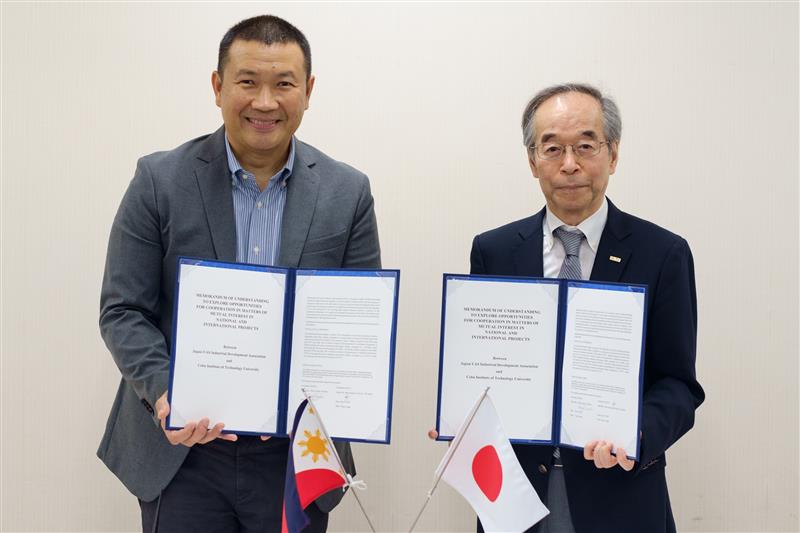
The highlight of the visit was the Memorandum of Understanding (MOU) signed between CIT University represented by Mr. John Gregory B. Escario, Vice President for Administration and JUIDA represented by the company president Mr. Shinji Suzuki, solidifying a collaboration that will support education, certification, and knowledge exchange in drone technology between Japan and the Philippines.
Certified Drone Pilot Training in Niikappu, Hokkaido
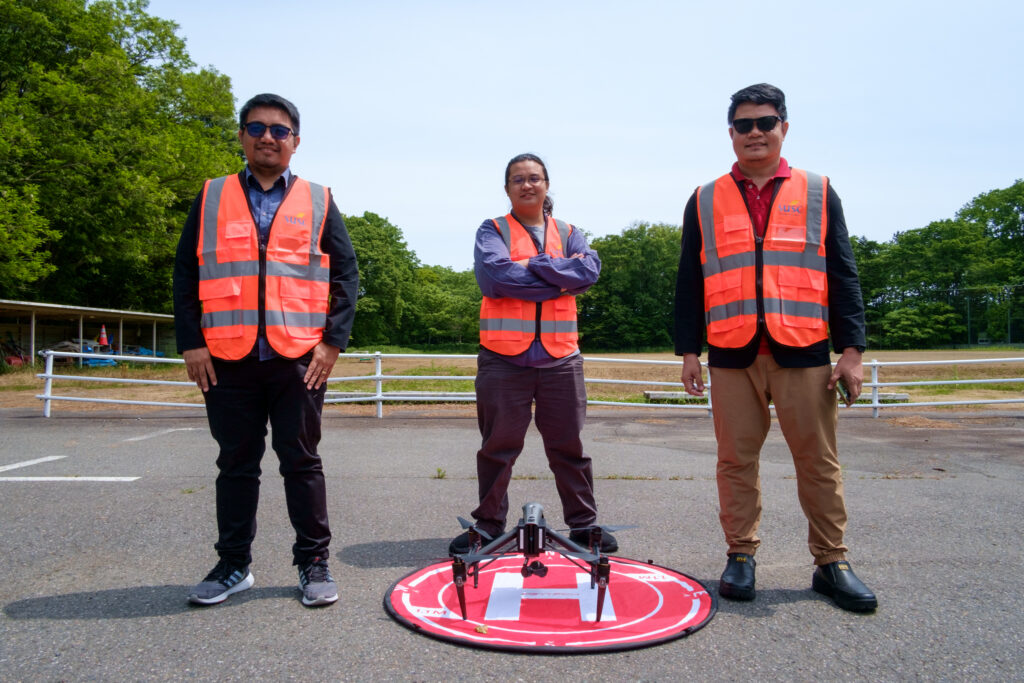
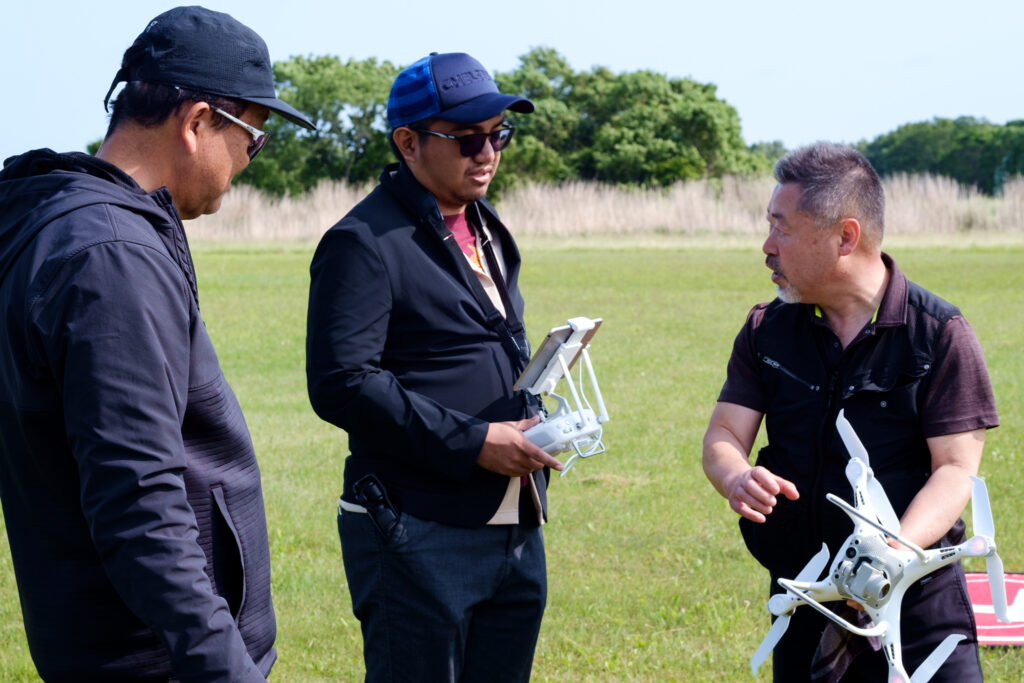
Beyond the expo, Engr. Lor, Engr. Concepcion, and Engr. Catane underwent an intensive four-day drone piloting and safety certification in Niikappu, Hokkaido. Under the mentorship of Yamazaki-san and Kato-san, trainees were immersed in real-world flight exercises, aircraft maintenance, safety protocols, and mission simulations—including participation in a thermal drone search operation following a reported bear sighting.
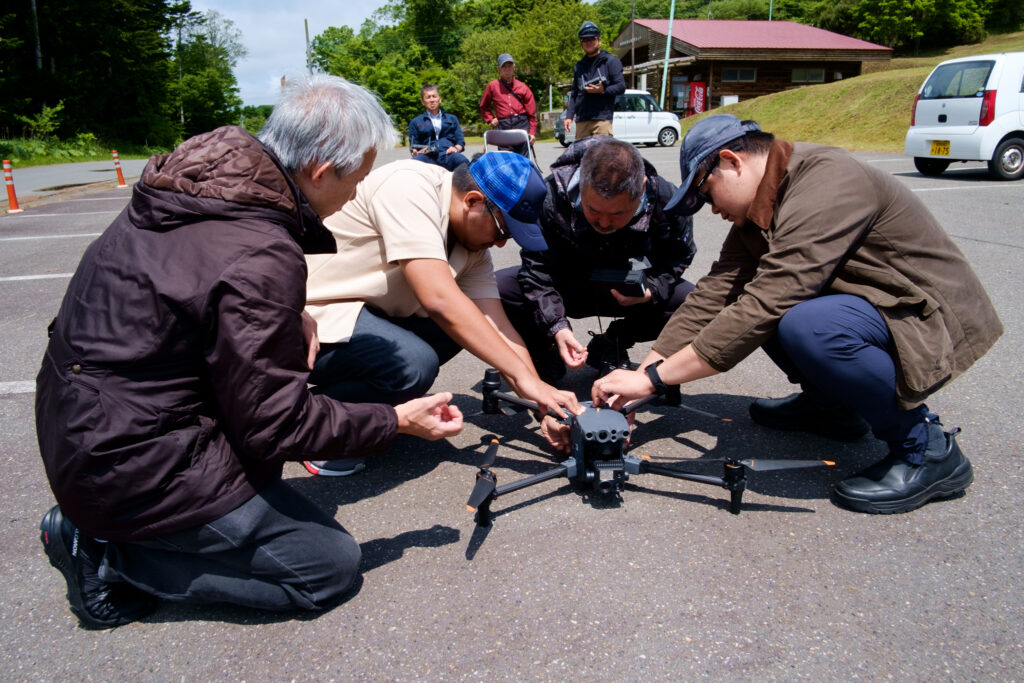
The training culminated in both theoretical and practical assessments, certifying the CIT University delegates under Japanese drone safety standards. The immersive rural experience also offered cultural enrichment, staying in traditional ryokans, enjoying homecooked Japanese meals, and soaking in local onsens.
Toward CIT University’s Drone School
This international endeavor is part of CIT University’s forward-looking plan to establish its own Drone School—equipping students, faculty, and local industry partners with internationally aligned skills in UAV technology. The training affirms the university’s philosophy: that while self-study has value, hands-on global experiences offer irreplaceable insights in preparing the next generation of drone professionals.
As shared by Engr. Concepcion, “I initially thought I could learn enough on my own. But flying in strong winds, operating different drones, and learning from experienced trainers like Yamazaki-san made one thing clear—there’s no substitute for real-world learning.”
Global Connections. Local Impact.

CIT University’s partnership with JUIDA and exposure to Japan’s advanced drone ecosystem is more than just a milestone—it’s a commitment to elevate local education and industry through global collaboration.
From the AI FabLab to the skies of Hokkaido, Teknoys are being equipped for the future—one flight at a time.