


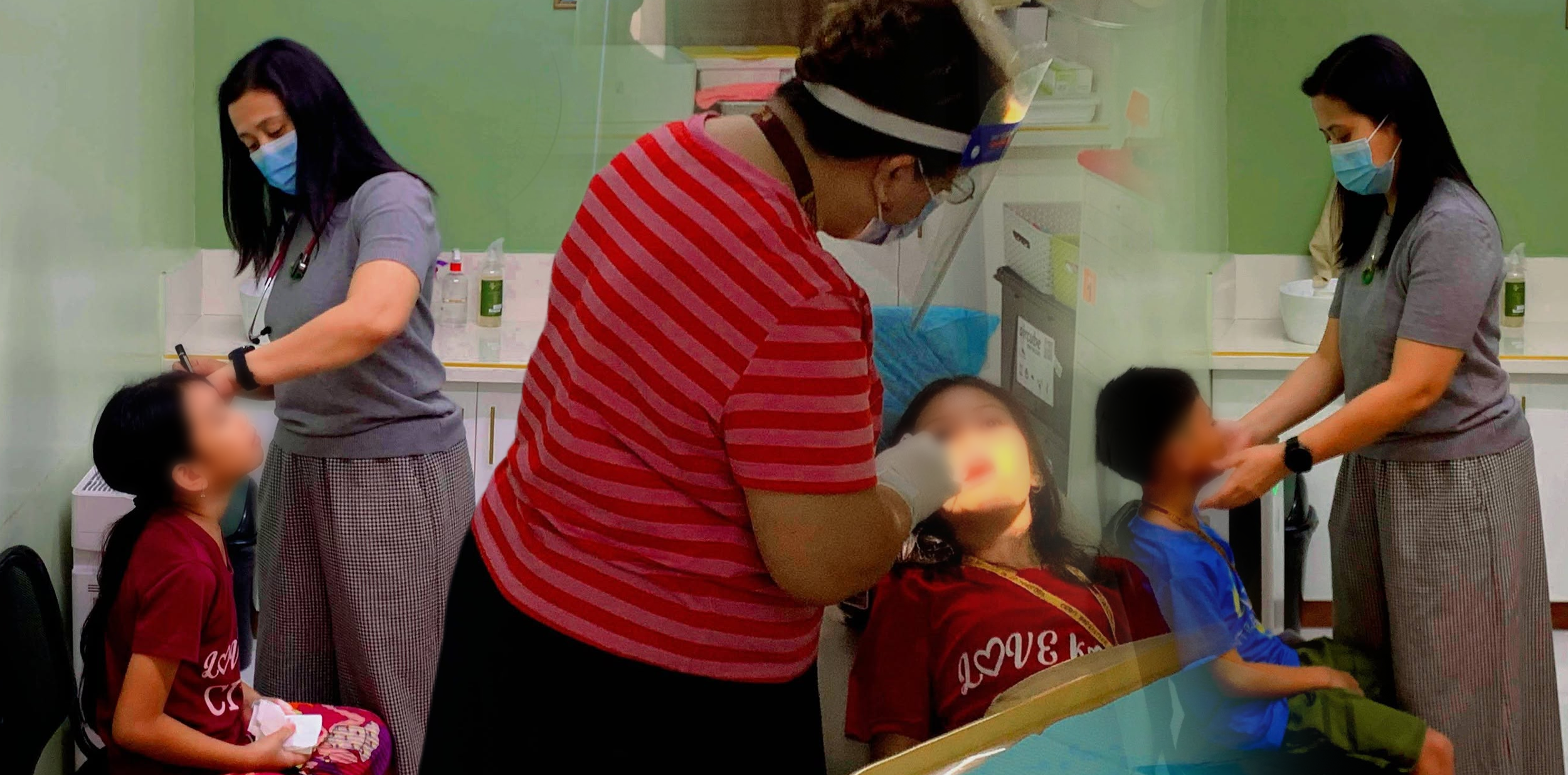
The Annual Physical Examination for CES Scholars highlights Cebu Institute of Technology – University’s (CIT-U) commitment to student health and well-being. In June 2026, the Community Extension Services (CES), in partnership with the Medical and Dental Clinic, organized the annual examination to help scholars monitor their health and prepare for their educational goals.
Through this initiative, CIT-U recognizes that student success goes beyond academic performance. It also requires attention to health, wellness, and personal development.
Promoting Preventive Health Care Among Scholars
The Annual Physical Examination for CES Scholars provides an opportunity for students to monitor their general health. Regular health assessments also encourage preventive care and help individuals recognize concerns that may require professional attention.
For many students, health concerns can affect their ability to participate fully in school activities. Some may also face challenges in accessing regular health services. By organizing this annual activity, CES and the Medical and Dental Clinic make basic health monitoring more accessible to their scholars.
Moreover, the initiative encourages students to view health care as part of responsible self-care. Rather than seeking medical attention only when they feel unwell, students can develop greater awareness of their overall well-being.
Supporting SDG 3: Good Health and Well-being
The activity directly supports Sustainable Development Goal 3 (SDG 3): Good Health and Well-being. This global goal promotes healthy lives and well-being for people of all ages.
Physical examinations contribute to this goal by giving students an opportunity to assess their general health. They can also seek professional advice when necessary. Although the activity does not provide publicly available individual medical results, it demonstrates the university’s commitment to making preventive health services accessible to CES scholars.
Through initiatives like this, CIT-U strengthens its role in promoting health awareness and encouraging responsible health practices among students.
Advancing SDG 1: No Poverty Through Student Support
The Annual Physical Examination for CES Scholars also connects with SDG 1: No Poverty. Financial limitations can make health services difficult to access. In addition, health concerns may create extra financial and academic challenges for students.
As scholarship beneficiaries, CES scholars receive support as they pursue their education. By including health services in this support system, the university helps address another factor that may affect their academic journey.
This approach reflects a broader understanding of student welfare. Educational assistance becomes more meaningful when institutions also consider the personal needs and well-being of learners.
Strengthening University Collaboration for Student Welfare
The partnership between CES and the Medical and Dental Clinic demonstrates the value of collaboration among university offices.
CES manages scholar-related programs and community-oriented initiatives. Meanwhile, the Medical and Dental Clinic contributes its health expertise and services. By working together, these units combine their resources to respond to student needs more effectively.
Their collaboration also shows how universities can maximize existing services to create a more comprehensive support system for students.
Caring for the Whole Learner
The Annual Physical Examination for CES Scholars may be a focused activity, but its message extends beyond a single medical appointment. It reinforces the connection between student health and academic progress.
Through this initiative, CIT-U reminds scholars that maintaining their health is an important part of pursuing their educational goals. The activity also encourages them to take an active role in their personal well-being and seek professional guidance when needed.
Ultimately, the collaboration between CES and the Medical and Dental Clinic reflects CIT-U’s continuing commitment to student welfare. By supporting both educational opportunities and preventive health care, the university helps create an environment where scholars can pursue their goals with greater confidence.
The initiative advances SDG 3: Good Health and Well-being and contributes to the broader objectives of SDG 1: No Poverty, demonstrating that meaningful educational support considers the whole learner.