


Your Path to Global Opportunities Starts Here
Estimated reading time: 3 minutes
Many students worry about gaining global exposure before graduation. The CIT University Winter Program 2026 in Japan addresses this gap. It gives students real international experience while still in school.
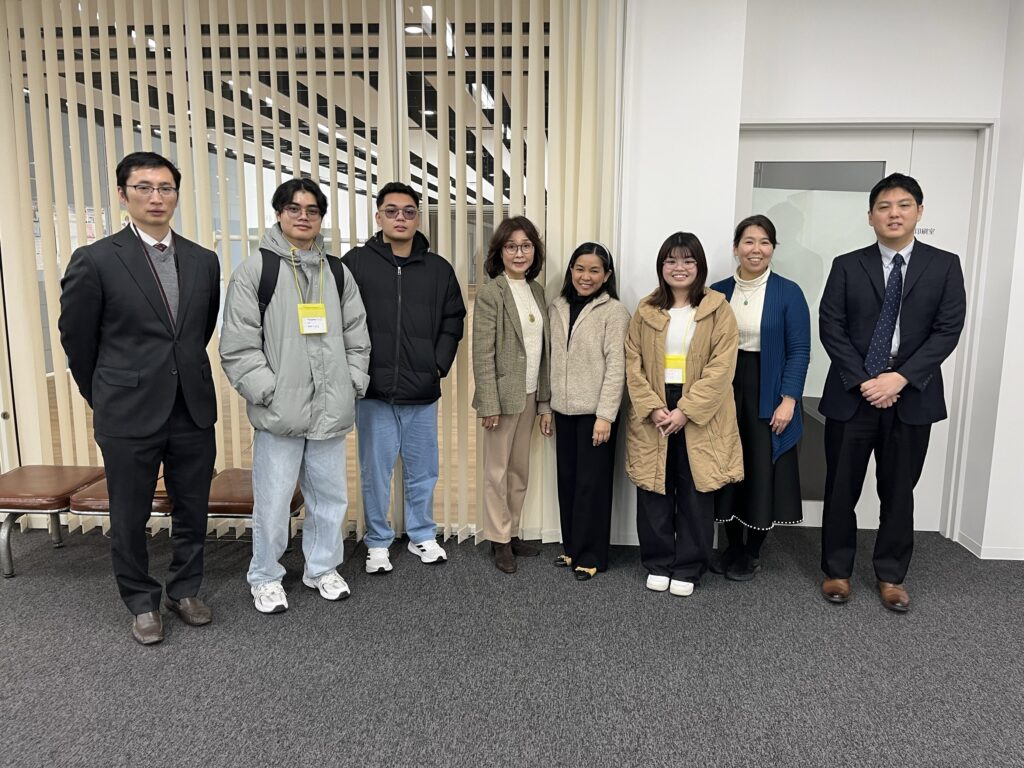
As part of its commitment to global education, CIT University sent three students from the College of Computer Studies to the Winter Program 2026 at Setsunan University in Osaka, Japan. This partner institution hosted a two-week Japanese language and cultural immersion program. The experience helped students build communication skills, cultural awareness, and global perspective.
CIT understands that students need more than classroom learning. The university acts as a guide by providing opportunities that prepare them for real-world challenges.
Students Represent CIT University Winter Program Japan
Representing CIT were Josh Anton Nuevas and Lichael Yashua Ursolo, both third-year BS Information Technology students. Felisa Melanie Fay Bascug, a fourth-year BS Computer Science student, also joined.
Dr. Leah V. Barbaso accompanied the group. She supervised and supported the students from January 18 to January 22, 2026. Her guidance helped ensure a smooth transition and strong participation.
Through this international exposure, students experienced learning beyond borders.
Structured Learning during the CIT University Winter Program Japan
At Setsunan University, students attended daily Japanese language classes. Lessons focused on grammar, vocabulary, listening, and conversation.
Teachers used role-playing, group discussions, and peer interaction. These methods helped students practice real communication. As a result, they gained confidence in using the language.
These structured lessons reflect CIT’s strong academic preparation.
Learn more about CIT’s programs here.
Cultural Immersion Beyond the Classroom: CIT University Winter Program Japan
Students explored Japanese culture through guided activities. These included campus tours, orientations, etiquette workshops, and city visits.
They experienced local traditions, food, and transportation systems. They also interacted with Japanese students and faculty. These activities helped them understand values like discipline and respect.
For more about Japanese culture, visit Japan National Tourism Organization.
This balance of learning and experience defines the CIT University Winter Program 2026 in Japan.
Building Skills for Global Careers
The program developed both technical and soft skills. Students improved language ability and cultural communication.
They also strengthened independence, adaptability, teamwork, and problem-solving. These skills are essential in global IT and Computer Science careers.
CIT prepares students for these demands through real-world exposure, such as the CIT University Winter Program 2026 in Japan, to emphasize that our initiatives are always built around our students.
Overcoming Challenges with Support
Students faced minor challenges such as language barriers and cultural differences. However, these became learning opportunities.
With faculty support, they showed resilience and professionalism. They adapted quickly and completed the program successfully.
A Milestone for Global Student Mobility
The International Mobilization and Affairs Office led the initiative. Dr. Larmie Feliscuzo guided the process from preparation to deployment.
This marked the first full institutional support for student mobility abroad. The success strengthens CIT’s global partnerships and programs.
The CIT University Winter Program 2026 in Japan stands as a milestone. It proves that students can thrive in international settings with the right support.
Students returned with new skills, broader perspectives, and stronger confidence. They are now better prepared for global careers.
If you want the same opportunity, CIT is ready to guide you.
Apply now through WITS, visit the campus, or send an inquiry today