


Cebu Institute of Technology–University recently hosted the Permaculture Summit 2026 organized by the Women’s Federation for World Peace International (WFWPI), bringing together around 80 participants from across the Philippines, New York, Spain, and Costa Rica, for a full-day gathering focused on advancing regenerative and sustainable living practices. The diverse group—ranging from young advocates to retirees—shared a common goal: to help mainstream permaculture as a practical pathway for healthier ecosystems, resilient communities, and long-term food security.
In partnership with the local sustainability advocates, the summit created a platform for cross-cultural learning, technical exchange, and values-driven leadership. The conversations emphasized how permaculture principles can be adapted to both urban and rural contexts, aligning personal lifestyle choices with community-level transformation.
The event reinforced the institution’s role as a top Philippine university committed to education that responds to real-world environmental challenges. While the summit was not positioned as a commercial showcase, it reflected a broader academic and civic commitment to embedding sustainability into teaching, research, and community engagement.
International perspectives were highlighted by notable speakers from the Kingdom of Spain, including Sen. Maria Arenales Serrano Arguello and Sen. (ret.) Maria del Carmen Quintanilla Barba. Their sessions explored policy-level support for sustainable agriculture, community empowerment, and the importance of cross-border collaboration in addressing climate and food system challenges.
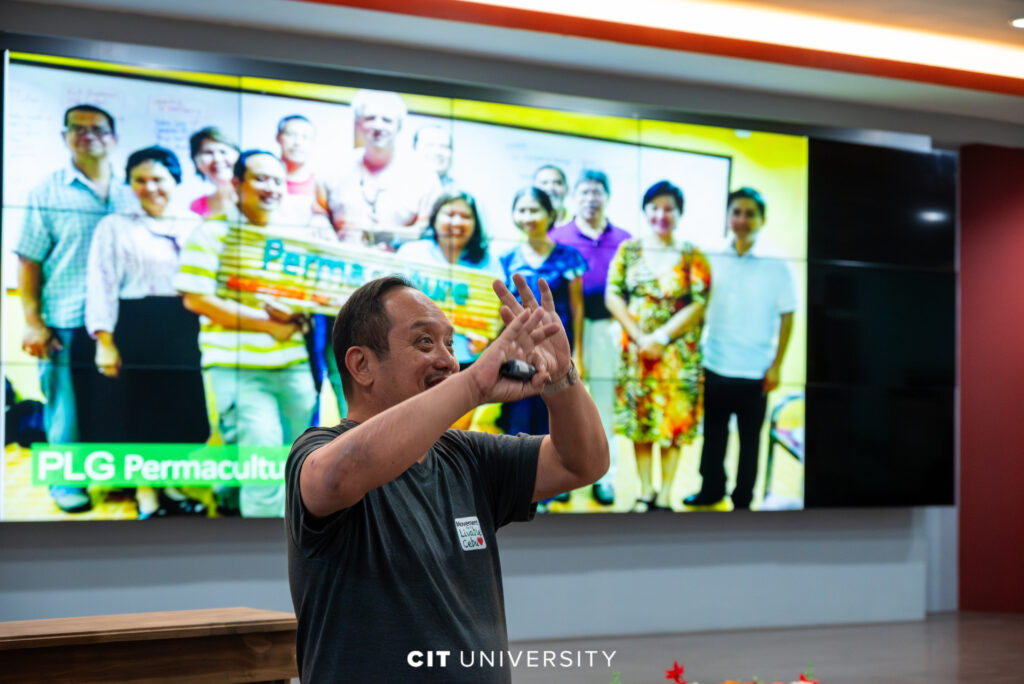
Local expertise grounded the discussions in Philippine realities. Mr. Joel Lee, Cebu-based business owner and Executive Director of the Movement for a Livable Cebu, shared practical insights on integrating environmental advocacy with enterprise and community action. His presentation emphasized how grassroots initiatives can scale impact when aligned with local governance and citizen participation.
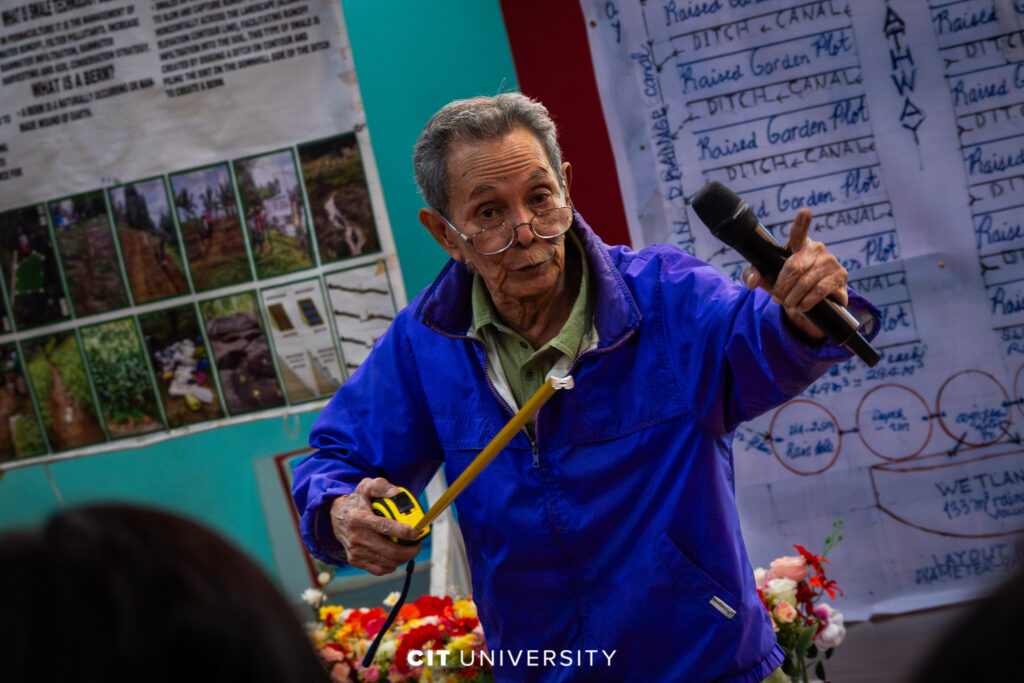
In a separate session, Engr. Roberto Bajenting, former Department of Agrarian Reform Officer of Cebu Province, presented actual implementation of the swale technology in selected areas of Bohol and Cebu, as he demonstrated how simple earthworks can improve water retention, reduce soil erosion, and increase farm productivity—key strategies for climate-resilient agriculture. These technical discussions resonated with participants seeking hands-on solutions grounded in science and community experience.
The summit also featured an inspiring talk by Cebu City Mayor Nestor Archival, an environmental advocate who shared his lived practices in reducing household waste and promoting personal accountability for environmental care. He encouraged participants to see sustainability as a daily discipline—starting with individual choices, extending to families, and ultimately shaping communities.
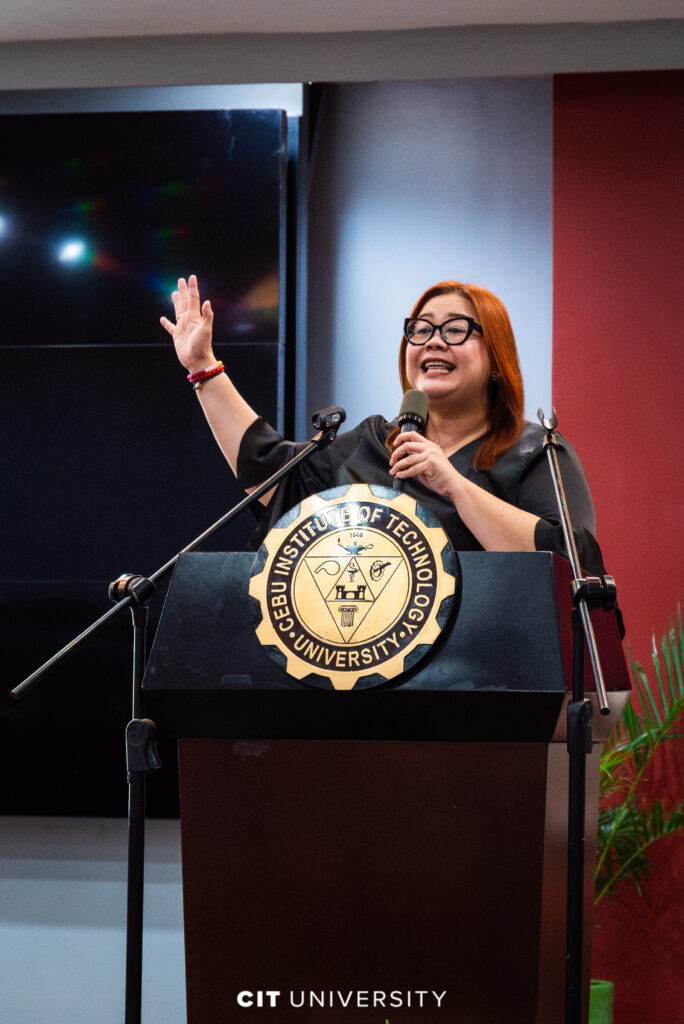
Further on from the government perspective, the participants also got to hear Regional Director of DEPDev Central Visayas, Dir. Jennifer Bretaña, as she outlined the public sector efforts to promote sustainable lifestyles and community development. Her presentation highlighted the importance of policy alignment, inter-agency collaboration, and citizen engagement in building long-term environmental resilience.
Through its programming, the summit reflected a culture of excellence in integrating academic learning with community-based solutions. Discussions naturally aligned with several United Nations Sustainable Development Goals, including SDG 2 (Zero Hunger), SDG 11 (Sustainable Cities and Communities), SDG 12 (Responsible Consumption and Production), SDG 13 (Climate Action), and SDG 17 (Partnerships for the Goals).
As a top university, the institution continues to create spaces where education, advocacy, and practical action intersect. The Permaculture Summit 2026 demonstrated how interdisciplinary dialogue and global partnerships can translate sustainability principles into actionable community practices.
As an engineering university in Cebu, the hosting of this summit also underscored how technical expertise, environmental stewardship, and community engagement can work hand in hand—quietly positioning permaculture and regenerative design as an emerging niche within the university’s broader sustainability and innovation agenda.
Finally, the gathering reinforced the growing recognition of CIT university as a hub where global ideas meet local action, inspiring participants to carry forward what they learned into their homes, farms, schools, and communities—helping to plant seeds for a more sustainable future.