


From Passing to Practice: Nursing Seminar CIT University on Readiness
For many students and parents, the real question isn’t just “Will I pass the board exam?”—it’s “Will I be ready when it truly matters?” In a healthcare environment that continues to grow more complex and fast-paced, this nursing seminar at CIT University highlights how the institution actively guides its BS Nursing students beyond theory. It helps them become professionals who can step into real-world care with confidence, competence, and compassion.
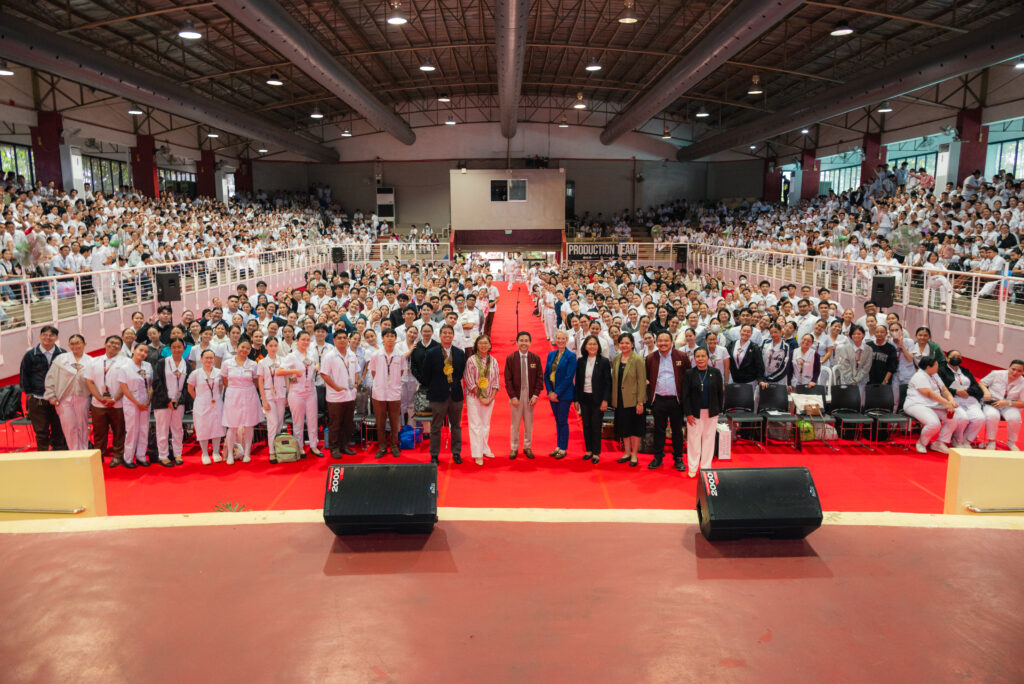
CIT University Brings Global Nursing Expertise to Campus
CIT University, in partnership with Unilab Education, brought this commitment to life through a seminar.
The seminar was titled “Evolving Global Competencies in the Nursing Career Pathway.” The event gathered students, faculty, and alumni of the College of Nursing and Allied Health Sciences. It created a focused learning experience anchored in real-world demands.

The seminar welcomed Dr. Veronique M. Boscart, an internationally recognized nurse leader, researcher, and Chief Scientific Officer at the William Osler Health System in Canada. She challenged students to rethink what readiness truly means in today’s healthcare landscape—where complexity, speed, and technology continue to reshape how care is delivered.
What Future-Ready Nurses Learn from Nursing Seminar CIT University
Many students today carry a quiet concern: Will classroom learning be enough when faced with real patients? Dr. Boscart addressed this directly by emphasizing that academic success does not always translate to practice readiness. As healthcare systems evolve, institutions must equip students with more than knowledge—they must develop confident decision-makers who can navigate uncertainty and deliver care effectively. This is where being part of a top Philippine university becomes crucial, as students receive guidance that goes beyond traditional instruction.
Key Competencies Future Nurses Must Develop
- Clinical judgment in complex situations
- Strong communication and patient interaction
- Teamwork and coordination in healthcare settings
- Cultural sensitivity and ethical decision-making
- Digital and AI literacy in modern care
- Adaptability in fast-changing environments
Throughout the session, Dr. Boscart highlighted the competencies that define modern nursing practice. She emphasized the importance of clinical judgment in complex situations, strong communication skills, teamwork, and systems awareness. She also underscored the need for cultural sensitivity, ethical reasoning, and digital literacy, especially as healthcare integrates technology and artificial intelligence into everyday care. Instead of replacing human connection, these tools demand that nurses become even more thoughtful, critical, and compassionate in their practice.
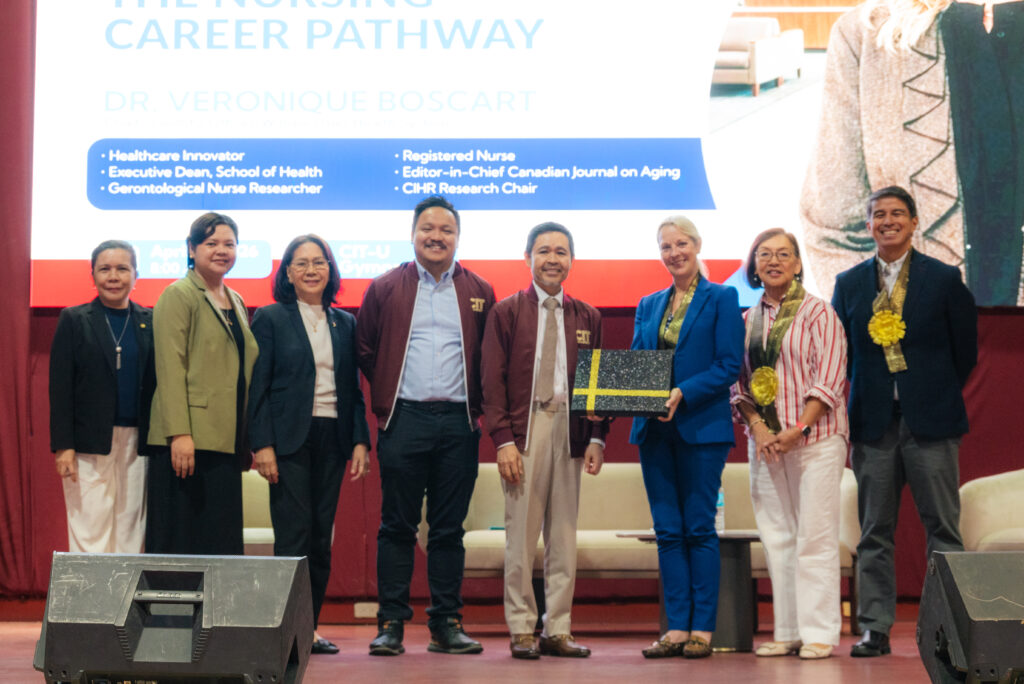
Preparing for Global Nursing Opportunities After Nursing Seminar CIT University
The discussion also emphasized the shift in nursing education. Rather than focusing solely on exams, educators must now prepare students for real-world performance. This shift calls for competency-based training, practical application, and global awareness. More importantly, it reinforces that a culture of excellence is not defined by passing rates alone, but by how well students are prepared to respond to the realities of their profession.
Beyond competencies, the seminar explored global opportunities for nurses. Dr. Boscart guided students in understanding that working abroad requires more than ambition—it demands preparation. She encouraged them to begin early by learning licensure pathways, strengthening communication skills, and seeking mentorship. She also reminded them that confidence, adaptability, and readiness play just as important a role as credentials in succeeding within international healthcare systems.

A Top University Approach to Student Readiness
For many attendees, the seminar provided more than information—it offered clarity. Students began to see their journey not just as a path to graduation, but as a process of becoming. By engaging directly with global experts, they gained insights that bridged the gap between education and practice. As a top university, CIT University continues to create these opportunities to ensure students understand both the challenges and possibilities that lie ahead.
CIT University continues to support students through a learning environment that prioritizes readiness and guidance. The BS Nursing program actively equips students with the skills, mindset, and confidence they need—ensuring they do not face the transition to professional practice alone, but step into it prepared and supported.
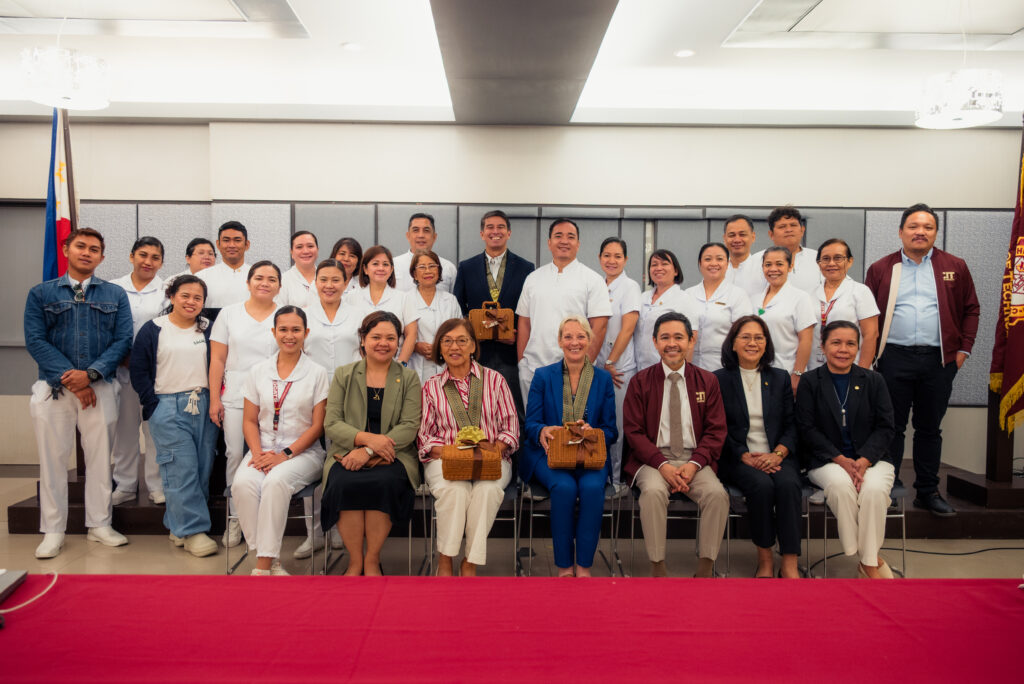
Advancing Healthcare Education as an SDG University
This initiative also demonstrates the institution’s broader commitment as an SDG University, where education responds to real societal needs. Through meaningful partnerships, forward-looking discussions, and a strong focus on student development, CIT University continues to contribute to a healthcare workforce that balances technical competence with human-centered care. This nursing seminar at CIT University reflects how the institution brings global perspectives into local training.
As healthcare continues to evolve, one message stands clear: the future does not simply need more nurses—it needs nurses who are prepared. At CIT University, students are not only trained to pass, but guided to practice, adapt, and lead—with care, with confidence, and with purpose.